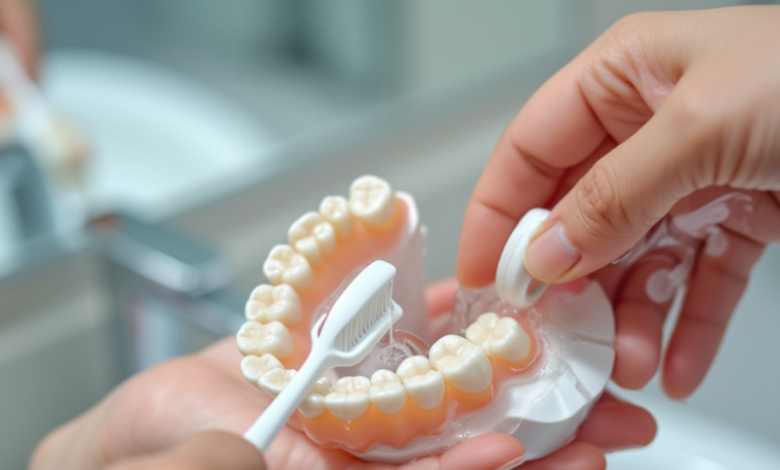
Dentures change how you eat, speak, and smile. They also need steady care. When you skip simple steps, dentures stain, warp, or crack. Then you feel pain, embarrassment, and money pressure from repairs. This blog gives you 6 clear tips to keep your dentures looking and feeling like new. You will learn how to clean them, when to soak them, and what habits quietly damage them. You will also see when it is time to visit a denturist or a denture clinic in Surrey, BC for help. These steps are quick. They fit into your daily routine. They also protect your mouth from sores and infection. Your dentures are not a luxury. They are a basic tool you depend on each day. Treat them with respect and they will support you with a steady, confident smile.
1. Clean Your Dentures Every Morning and Night
You would not go to bed without brushing your teeth. Treat dentures the same way. Plaque, food, and stains build up on denture surfaces. That buildup leads to bad breath, sore gums, and damage.
Each morning and night, follow three steps.
- Remove dentures and rinse them under cool water.
- Brush all surfaces with a soft denture brush and non abrasive denture cleanser.
- Rinse again until the cleanser is fully gone.
Never use regular toothpaste. It scratches denture material and makes stains harder to remove. The American Dental Association explains that gentle cleansers protect both dentures and mouth tissues. You protect your dentures when you keep them clean and smooth.
2. Soak Dentures Overnight
Your mouth needs rest. So do your gums. Sleeping with dentures in place rubs the tissues and traps moisture. That raises the risk of fungal infection and sore spots.
Each night, take dentures out before bed. Then follow this routine.
- Rinse dentures to remove loose food.
- Place them in a denture soaking solution or plain water.
- Store the cup in a safe place out of reach of children and pets.
Never let dentures dry out. Dry dentures can warp. Warped dentures stop fitting and start rubbing. That leads to pain, cuts, and costly repairs.
3. Handle Dentures With Care
Dropping dentures once can chip a tooth or crack the base. A small break can turn into a large fracture. Then you may need a full replacement.
Use this simple method each time you handle them.
- Stand over a folded towel or a sink filled with water.
- Hold dentures with both hands when you insert or remove them.
- Do not bend clasps or metal parts with your fingers.
If dentures feel loose, do not try to adjust them yourself. You risk snapping a clasp or twisting the fit. Always book a visit with a denturist or dentist for any change in fit.
See also: 5 Ways Pediatric Dentistry Supports A Lifetime Of Healthy Smiles
4. Watch What You Eat and Drink
Dentures help you eat more foods again. Still, some foods and drinks are tough on them. Sticky, hard, or very hot items can damage the material or strain the fit.
Use the guide below as a quick check.
| Food or Drink | Effect on Dentures | Better Choice |
|---|---|---|
| Caramel, taffy, sticky candy | Pulls on dentures and clasps | Soft fruit, yogurt |
| Ice cubes, hard nuts, hard candy | Cracks teeth or base when you bite | Chopped nuts, steamed vegetables |
| Very hot soup or tea | Can warp denture material | Warm, not boiling, drinks |
| Cola and dark coffee | Stains denture surfaces | Water, milk, lighter tea |
You do not need a perfect diet. You only need to avoid habits that keep hurting your dentures over time. Cut food into small bites. Chew on both sides of your mouth to spread the pressure.
5. Protect Your Mouth and Gums
Healthy gums help dentures stay stable. When gums are swollen or infected, dentures rub and slip. That leads to more sores and more infection.
Each day, care for your mouth even if you have no natural teeth.
- Remove dentures.
- Gently brush your gums, tongue, and the roof of your mouth with a soft brush.
- Rinse with water or an alcohol free mouth rinse.
The Centers for Disease Control and Prevention stresses that cleaning your mouth lowers the risk of gum disease and infection. You also support your general health when you control germs in your mouth.
6. See Your Denturist or Dentist Regularly
Your mouth changes over time. Bone shrinks. Gums shift. Even the best dentures lose their fit. You may notice more clicking, rubbing, or small sores. You may also start using more adhesive to keep dentures in place.
Plan these three habits.
- Book a checkup at least once a year, even if dentures feel fine.
- Schedule a visit right away if you see cracks, chips, or stains that do not brush off.
- Ask about a reline if dentures feel loose or cause new sore spots.
Regular visits let a denturist adjust or repair dentures before damage grows. Early action saves you pain and money. It also protects your ability to eat, speak, and smile with confidence.
When To Ask For Help
You do not need to wait for a crisis. Seek care if you notice three warning signs.
- Red, swollen, or bleeding gums under the dentures.
- Persistent bad breath or taste even after cleaning.
- Sudden change in how your teeth meet when you bite.
Support from a denturist, dentist, or a trusted clinic keeps your dentures in working shape. With daily cleaning, safe handling, smart food choices, mouth care, and steady checkups, you can keep your dentures looking and feeling like new for many years.